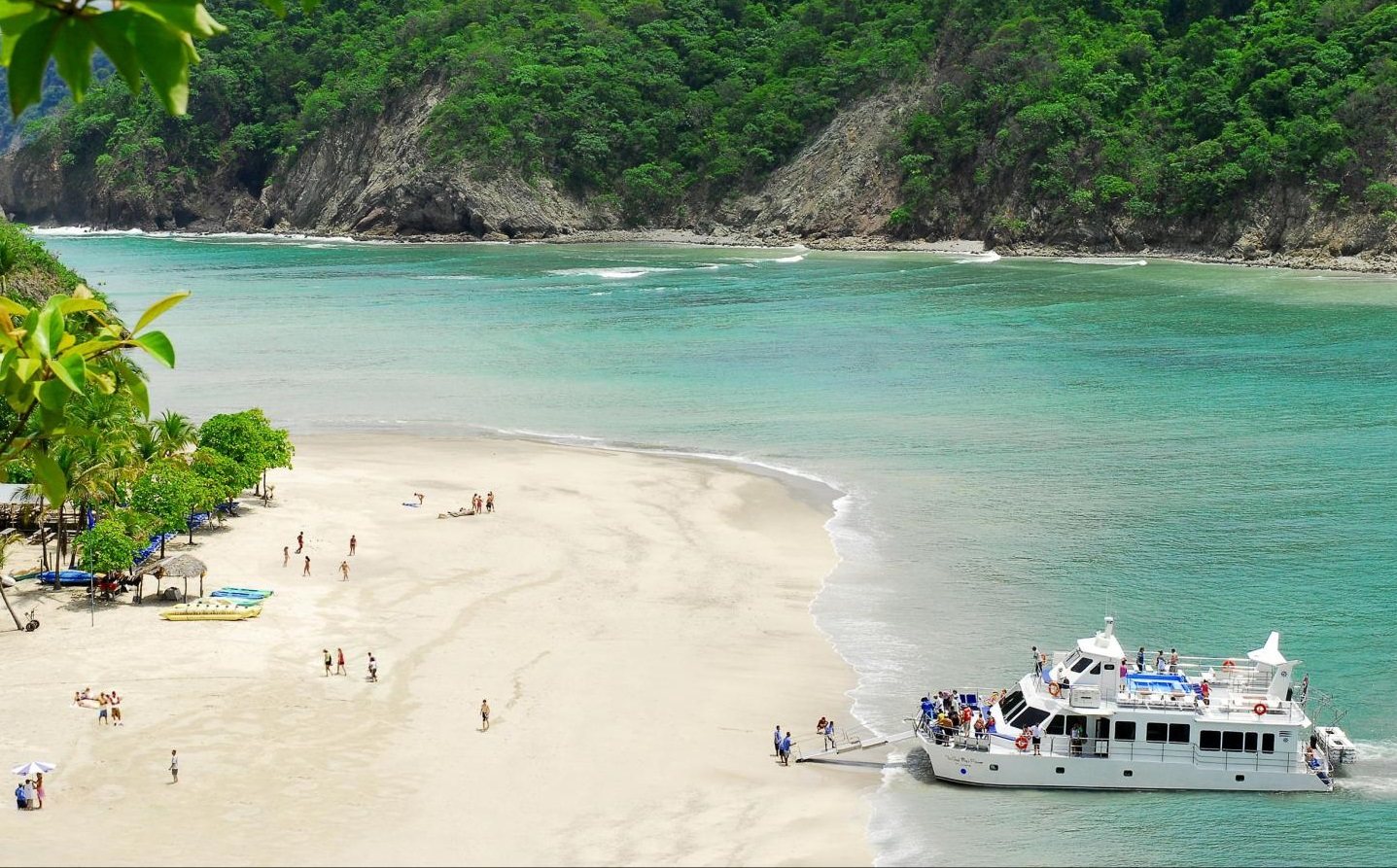
Tolinga Beach
This is the main beach area featuring calm, turquoise waters and shaded seating under palm trees. It serves as the primary hub for boat landings and relaxation.
Walk to the far end to find more secluded sandy patches.
Tortuga Island sits in the Gulf of Nicoya, off the Pacific coast of Costa Rica's Puntarenas Province. The island has no road access and no permanent settlement—just white sand, turquoise water, and the boats that bring day visitors from the mainland. Understanding where it lies and how to reach it shapes every visit.
Quick answer
Tortuga Island is located in the Gulf of Nicoya, within Puntarenas Province on Costa Rica's Pacific coast. The island is accessible only by boat, with tours departing from coastal towns including Jacó, Puntarenas, and Montezuma. Landing access is free, though visitors typically arrive via organized boat tours that include the crossing, island time, and return transport.
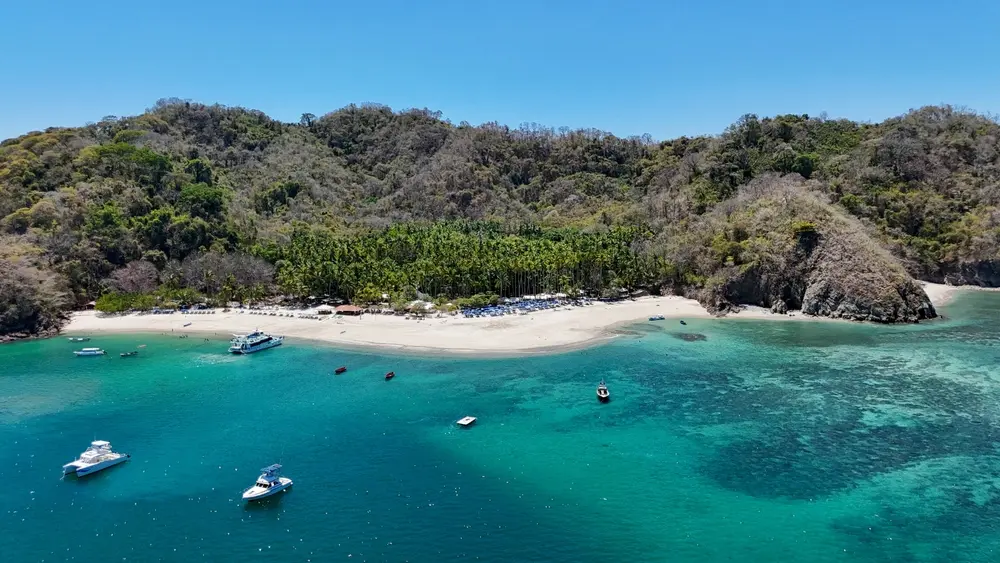
Tortuga Island rises from the Pacific waters of the Gulf of Nicoya, roughly 12 nautical miles off the Nicoya Peninsula. The island has no bridges, no ferry terminal, and no permanent infrastructure beyond a handful of rustic facilities that support day tours. Its isolation is part of the draw—crystal-clear water, minimal development, and a shoreline that feels untouched despite hosting hundreds of visitors each week during high season. When travelers ask where is Tortuga Island Costa Rica, they are really asking two questions: where it appears on the map, and how to physically reach it. The first is straightforward—the island lies within the administrative boundaries of Puntarenas Province, surrounded by the protected waters of the gulf. The second requires planning. No public ferry serves the island, so visitors arrive aboard tour boats that depart from Jacó, Puntarenas city, Herradura, and Montezuma. These vessels navigate open ocean and sheltered gulf waters, with crossing times ranging from 45 minutes to 90 minutes depending on departure point and sea conditions. The island itself is small—less than a square kilometer of dry land—but it anchors a marine environment that includes coral formations, mangrove-fringed islets, and deep channels frequented by dolphins and rays. Tour operators land passengers directly on the beach, where the sand slopes gently into calm, shallow water. There are no docks, so boarding and disembarking often involve wading or stepping from the boat onto wet sand. The landing zone is concentrated on the island's eastern shore, where a crescent bay offers shelter from Pacific swells. Visitors should understand that the island operates on tour schedules rather than public hours. Boats typically arrive mid-morning and depart by mid-afternoon, creating a narrow window for swimming, snorkeling, and walking the shoreline. The address listed for the island—Gulf of Nicoya, Puntarenas Province—is a geographic reference rather than a street location, useful for mapping software but not for navigation. The real coordinates matter to boat captains, not passengers, who board at coastal departure points and let the crew handle the crossing.
“The island has no roads, no ferry, and no permanent settlement—just the boats that bring you, the beach beneath your feet, and the gulf on every side.”
Tortuga Island is located in the Gulf of Nicoya, off the southern tip of the Nicoya Peninsula. Access is exclusively via boat, with most visitors departing from mainland hubs such as Jaco or Puntarenas.
Departure from Jaco via boat tour
Departure from Puntarenas via boat tour
Drive to Puntarenas or Jaco departure points
Plan your journey to arrive at your designated departure point by 07:30. Most transit options to the island are organized through boat tour operators that coordinate departure logistics from these coastal towns.
The best arrival window is 07:30–10:00 to enjoy quieter beaches before midday boat tours arrive. Planning your visit during the dry season improves transit conditions across the Gulf of Nicoya.
Sunny, 28°C–32°C
Expect calm seas and frequent sunshine ideal for boat travel.
Rainy afternoons, 26°C–30°C
Mornings typically remain clear with rain often developing later in the day.
—
Arrive early to experience the island with fewer visitors before the main tour traffic arrives.
Verdict: The optimal time to visit is a weekday morning during the transition months of April or November for a balance of manageable crowds and favorable weather.
Tortuga Island is open daily to visitors for recreational access and beach enjoyment.
Tortuga Island consists of two primary islets, Alcatraz and Tolinga, known for their white sand beaches and volcanic rock formations. The surrounding protected marine reserve offers clear visibility for observing tropical fish and coral reefs.
This is the main beach area featuring calm, turquoise waters and shaded seating under palm trees. It serves as the primary hub for boat landings and relaxation.
Walk to the far end to find more secluded sandy patches.

Located adjacent to the main beach, this rocky area is primarily viewed from the water during snorkeling excursions. It provides a natural habitat for diverse marine species.
Observe the surrounding water for sea turtles and reef fish.
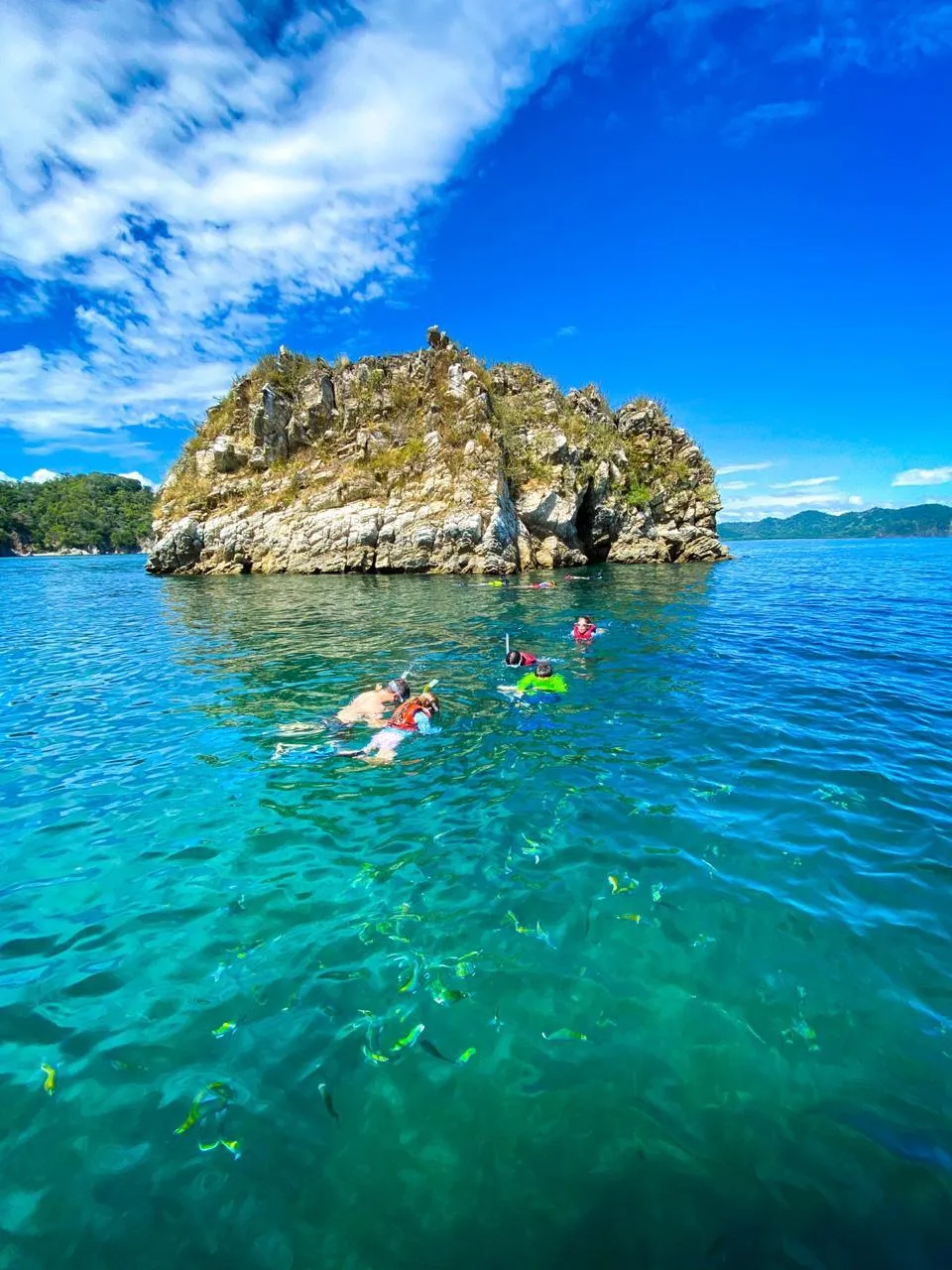
The waters surrounding the island are part of a protected zone, sheltering coral reefs and underwater life. Snorkeling here allows visitors to see sergeant major fish and pufferfish.
Use a mask with a clear lens for better underwater visibility.
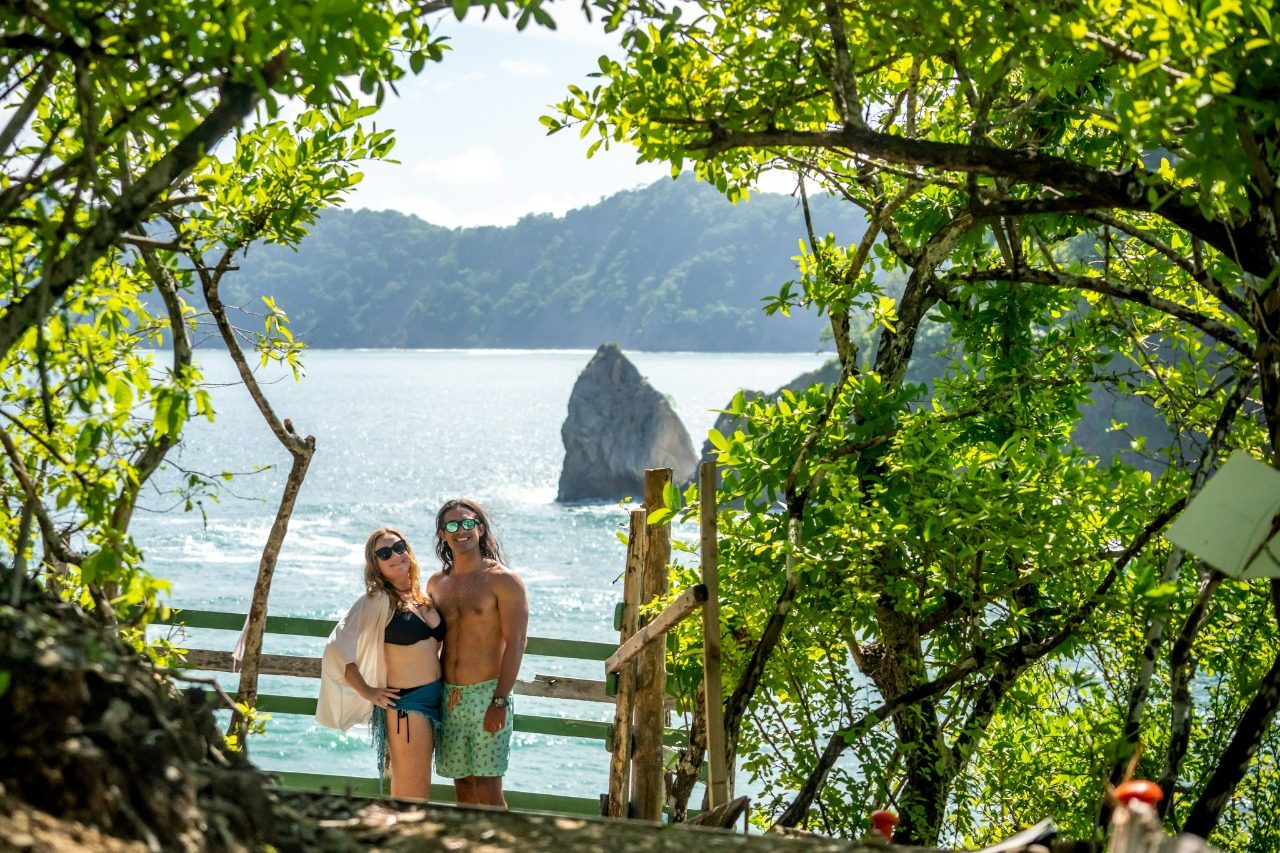
Small, marked trails wind through the island's forested interior, offering views of the local flora and fauna. These paths provide a change of pace from the coastal areas.
Wear closed-toe shoes to navigate the uneven forest terrain.
Most visitors arrive by organized boat tour; confirm what your operator provides and pack accordingly.
Everything you need to know about where is tortuga island costa rica
You will find that the location of where is tortuga island costa rica is within the Puntarenas Province, situated in the Gulf of Nicoya. It serves as a popular destination for those exploring coastal gems in the region.
Most travelers reach the island via boat tours departing from nearby coastal towns, as there is no public ferry service directly to the shore. These maritime excursions typically include landing access for visitors.
To ensure a peaceful experience before the crowds arrive, the best arrival window is between 07:30 and 10:00. Arriving early helps you enjoy the tranquil beaches where is tortuga island costa rica known for its serene environment.
There is a 0 USD entrance fee for the island itself, as it is a public nature area. While access is free, you should plan for the cost of a boat tour, as most visitors reach the location by sea.
Families often enjoy the calm waters and snorkeling opportunities, making it a suitable destination for visitors of all ages. You may want to check if your chosen tour operator provides life vests and child-friendly amenities when asking where is tortuga island costa rica is best accessed with kids.
The island is open daily from 07:30 to 16:00. This schedule allows visitors ample time to enjoy the sun and sea before returning to the mainland.
Yes, a Tortuga Island boat trip is a common excursion for those staying in the central Pacific area. These tours simplify the logistics of visiting this scenic Costa Rican landmark by providing guided maritime transport.