English| EUR
Suggested for you
More currencies
Choose a language
Tortuga Island sits five nautical miles off Costa Rica's Nicoya Peninsula, accessible only by water. This guide covers boat operators, departure points, crossing times, and what to expect when you arrive at one of the country's most pristine offshore beaches.
Quick answer
Tortuga Island is reached exclusively by boat from mainland departure points around the Gulf of Nicoya. Most visitors depart from Montezuma, Paquera, or Jacó, with crossings ranging from twenty minutes to ninety minutes depending on the operator and sea conditions. The island operates from 07:30 to 16:00 daily, and early departures between 07:30 and 09:00 ensure you arrive during calm morning waters and claim beach space before midday crowds.
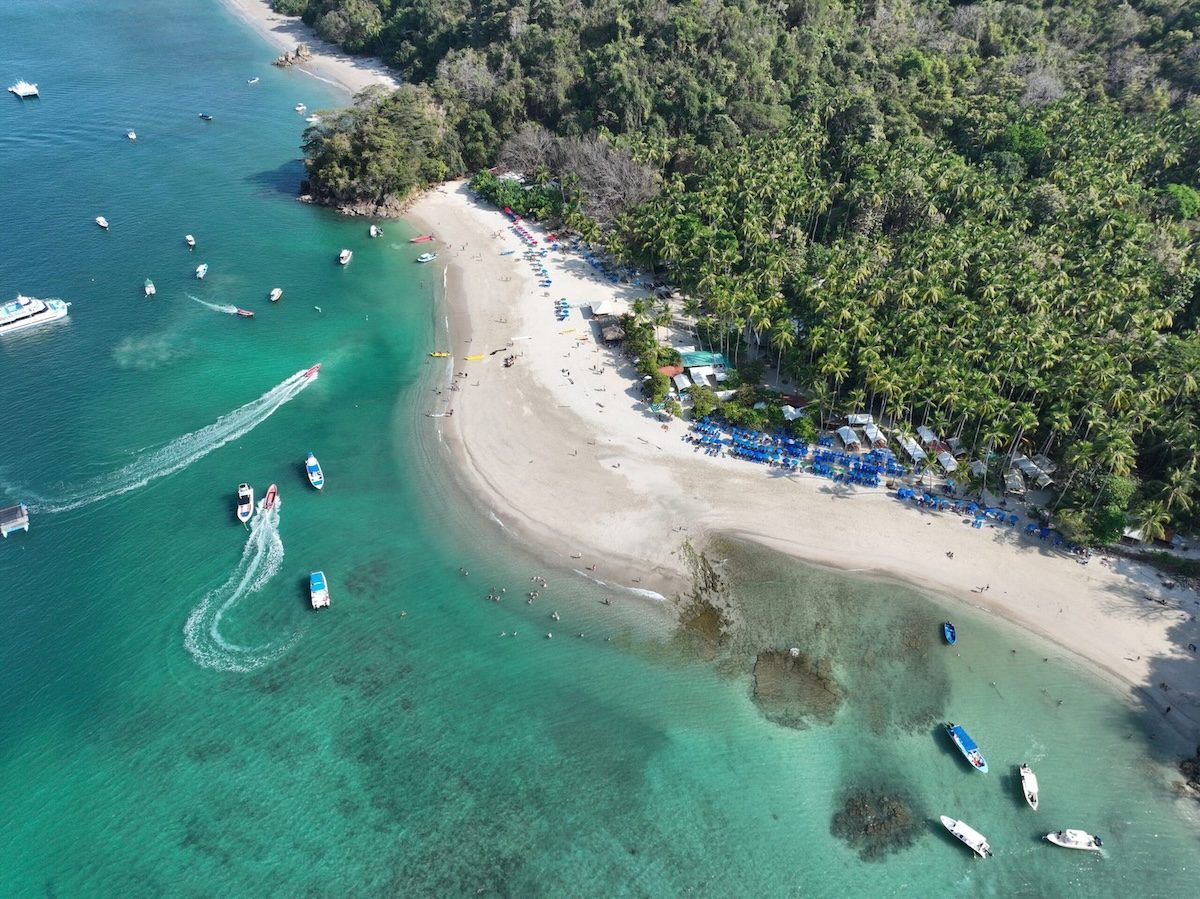
No bridge, no causeway, no airstrip — Tortuga Island enforces its remoteness by geography alone. The island lies five nautical miles offshore in the Gulf of Nicoya, a shallow tidal basin where currents shift twice daily and sandbars appear at low tide. Every visitor arrives the same way: aboard a motorized catamaran, tour boat, or private water taxi. The majority of departures originate from Montezuma, a beach village at the southern tip of the Nicoya Peninsula. Operators cluster along the village dock, offering shared morning runs that cross open water in twenty to thirty minutes when seas are calm. Paquera, fifteen kilometers north, serves as an alternative launch point for visitors arriving via the Puntarenas car ferry. A smaller number of tours depart from Jacó on the central Pacific coast, though these involve a ninety-minute crossing and typically bundle snorkeling or lunch stops. Private water taxis operate on demand from Curú Wildlife Refuge, the closest mainland point, cutting travel time to fifteen minutes but requiring advance coordination. Reaching Tortuga Island means planning around two fixed constraints: the operator's departure schedule and the island's operating window. Tours typically leave the mainland between 07:30 and 09:00, returning by mid-afternoon to avoid the incoming tide and afternoon chop. The island itself is accessible from 07:30 to 16:00 daily, with no overnight stays permitted. Boats moor offshore in waist-deep water; passengers wade the final twenty meters to dry sand, so footwear that tolerates saltwater is not optional. The logistics of getting to Tortuga Island hinge on coordination rather than infrastructure. No public ferry runs a fixed schedule, and no dock exists on the island itself. Visitors book through tour operators who bundle transport, or they negotiate directly with water-taxi captains in Montezuma. Either way, the crossing is tidal, weather-dependent, and subject to cancellation if swells exceed safe limits. The island's isolation is the point — it filters casual drop-ins and keeps daily visitor counts manageable — but it also means flexibility is built into every itinerary. Most operators schedule return departures between 14:00 and 15:30, leaving three to five hours of island time. That window accommodates a swim, a walk along the crescent beach, and a meal under the almond trees that line the upper sand. The return crossing follows the same route in reverse, often quieter as passengers settle into the fatigue that follows a day of sun and saltwater.
“No bridge, no causeway, no airstrip — Tortuga Island enforces its remoteness by geography alone.”
Tortuga Island is located in the Gulf of Nicoya, near Curú Wildlife Refuge, Costa Rica. Access to the island is exclusively via boat, requiring pre-arranged water transit from mainland hubs.
Departure from Jaco Beach via private tour
Departure from Puntarenas via maritime operator
Departure from Curú Wildlife Refuge dock
All water transport must be pre-arranged as there is no public ferry service to the island. Securing a spot through a local tour operator ensures vessel availability and smooth transit to the island's shores.
Tortuga Island is accessible to visitors daily, reflecting the standard window for boat-based tourist activity in the region.
Pack light but prepare for sun, sand, and a full day on an undeveloped island with no facilities.
Everything you need to know about how to get to tortuga island
To learn how to get to Tortuga Island from Jaco, you should book a marine excursion through a reputable tour operator who provides shuttle and boat services. These operators manage the logistics of crossing the Gulf of Nicoya to ensure a smooth journey.
There is 0 USD entrance fee for the island itself, as it is a public area. Tour operators may bundle private access or specific landing services into their trip packages.
The most efficient way to plan how to get to Tortuga Island involves utilizing guided boat tours departing from nearby coastal hubs. These charters often include snorkeling equipment and meals, simplifying your travel arrangements.
Families researching how to get to Tortuga Island will find that most guided boat tours are well-equipped to accommodate children. It is recommended to choose an operator that provides life jackets and adheres to safety regulations for the Gulf of Nicoya crossing.
The best arrival window is between 07:30–15:00 to ensure you enjoy the beach before the afternoon tide and scheduled tour departures. Planning your visit for these hours helps avoid the rush and maximizes your time on the white sands.
While the island is open daily from 07:30–16:00, you should coordinate your arrival with your tour provider. Arriving within the established operating hours ensures you have full access to beach facilities and local maritime services.
Visitors often seek a Tortuga Island day trip to enjoy crystal-clear waters and coral reefs near the Curú Wildlife Refuge. These excursions provide the most reliable maritime access to the landmark, allowing you to relax while experts navigate the coastal currents.